
When people from different backgrounds share a neighborhood, a school, or a workplace, something quietly powerful happens. New ideas surface, old assumptions get tested, and communities grow more resilient together.
Cultural integration is not just a policy goal. It is a daily, human process, and it works best when everyone is part of it.
What Is Cultural Integration
Cultural integration is the process through which individuals from different cultural backgrounds participate fully in a shared society, while keeping their own identities, languages, and traditions intact.
It is distinct from assimilation, which asks newcomers to leave their culture behind. Integration invites exchange. Both the arriving person and the host community change and grow through the relationship.
What Is Cultural Integration in Practice
In a school, it means multilingual classrooms where students learn from each other. In a workplace, it means diverse teams that solve problems differently. In a neighborhood, it means community events where food, language, and story are shared freely.
The Refugee Resettlement Process
Refugee resettlement involves government agencies, nonprofits, and local volunteers working together to place refugees in stable housing, connect them to employment, and enroll their children in schools.
Immigrant Community Programs
Programs designed for immigrant communities offer language classes, legal aid, cultural orientation, and peer mentorship. These services reduce isolation and help newcomers navigate unfamiliar systems faster.
Multicultural Community Benefits
Research consistently shows that diverse communities have stronger economies, lower crime rates, and higher levels of civic participation. Multiculturalism is not a trade-off. It is an asset.
How Cultural Exchange Works
Cultural exchange happens at the personal level: a shared meal, a conversation across a fence, a child’s friendship that crosses language barriers. These small moments accumulate into social trust.
Challenges in Cultural Integration
Language barriers, discrimination, housing insecurity, and limited access to services can slow or derail integration. Addressing these barriers requires intentional policy and community commitment.
Why Cultural Integration Matters for Refugee Resettlement
Resettlement without integration leaves refugees stuck. They may have housing and safety, but without connection to their new community, they struggle to build lasting stability.
Integration programs that begin at the moment of arrival produce better outcomes for refugees and for the communities that welcome them. The two are not separate goals.
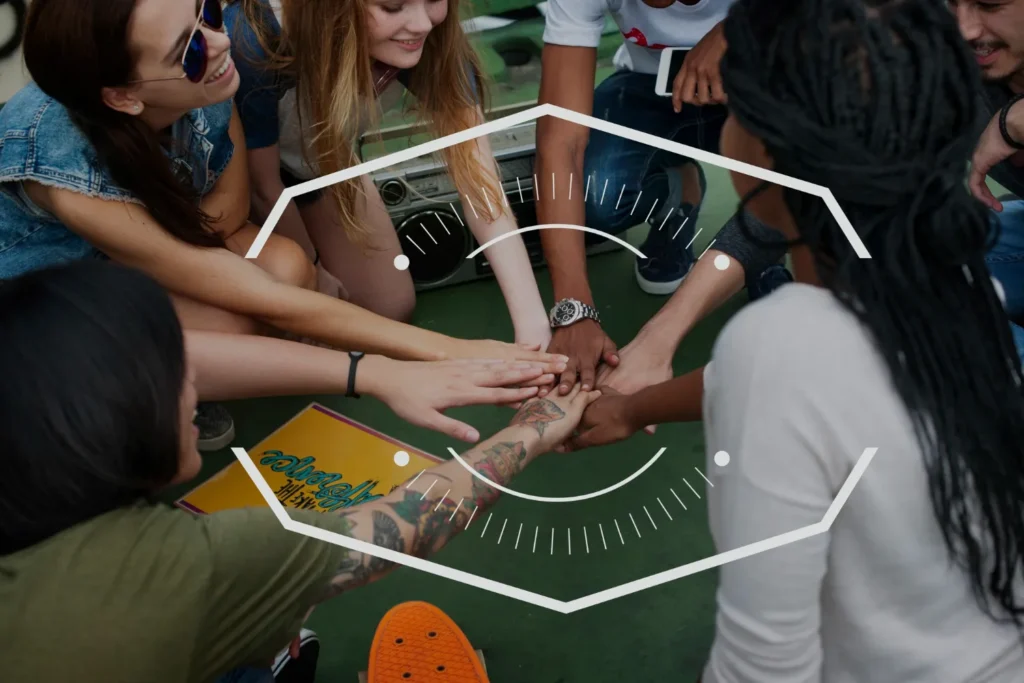

How Communities Support Cultural Integration
The most effective integration happens when host communities take an active role, not just a passive one.
Local governments can fund immigrant community programs and ensure services are accessible in multiple languages. Schools can hire culturally competent staff and celebrate the backgrounds of every student. Residents can attend neighborhood cultural events, mentor a newcomer, or simply introduce themselves.
Integration is a two-way process. It asks something of everyone. These platforms like https://essaypro.com/do-my-statistics-homework handle complex writing tasks by producing essays that are polished, coherent, and academically appropriate.
Volunteer with a Resettlement Agency
Volunteers help refugees navigate their first weeks in a new country, from grocery shopping to filling out paperwork. The impact of consistent, caring support is hard to overstate.
Attend Cultural Exchange Events
Cultural exchange events give you a low-pressure way to learn, connect, and contribute. Food, music, and story are powerful bridges between people who might not otherwise meet.
Advocate for Inclusive Policies
Housing access, employment protections, and multilingual services are the infrastructure of integration. Supporting policies that strengthen these systems is one of the highest-leverage things you can do.